Ginger Root Essential Oil Benefits For Health + Easy Recipe
Have you ever taken a deep breath of Ginger Root Essential Oil and instantly felt more awake? There’s something about that warm, spicy scent that feels like it’s nudging your whole body to get up and go—which totally makes sense, since ginger is often called the “oil of empowerment.”

I first started using ginger essential oil when I was looking for something natural to ease occasional joint pain and bloating, but I had no idea how many health benefits of ginger oil I’d uncover. This spicy little powerhouse can do everything from support digestion to soothe sore muscles and even help with hair growth. It’s been used for centuries in Ayurvedic medicine, and now we have modern studies backing up what traditional healers already knew.
Ginger is a favorite of mine in and out of the kitchen—I use it in this DIY oil and also blend it fresh into my green detox juice recipe.
So, let’s walk through how this oil works, the potential benefits of ginger oil, and a simple recipe you can try today.
What is Ginger Root Essential Oil?
Ginger root essential oil is extracted from the ginger rhizome—that knobby root you probably recognize from cooking—through steam distillation. The result is a highly concentrated oil filled with powerful bioactive compounds and volatile oils, like gingerol, zingiberene, and shogaol.
Its scientific name is Zingiber officinale, and it’s native to Southeast Asia, though it’s now grown all over the world.
The oil has anti-inflammatory, antioxidant, antiseptic, and digestive properties, making it an excellent choice for natural healing and therapeutic purposes. The spicy scent also makes it a bold addition to essential oil blends for both physical and emotional support.

Ginger Root Essential Oil Benefits – What It’s Good For
For a full-body treat, I sometimes blend ginger into my Herbal Massage Oil recipe. It adds that gentle warming effect that’s perfect for sore muscles, especially when combined with other soothing oils like rosemary or black pepper.
Here’s a look at some of the best-known (and some lesser-known!) ginger oil benefits:
1. Relieves Joint & Muscle Pain
Thanks to its anti-inflammatory properties, ginger oil is often used in massage oil blends to soothe sore muscles and joint pain. It’s great for adding to your daily routine after workouts or long days on your feet.
2. Supports Digestive Health
The digestive properties of ginger are well known in traditional medicine. Ginger oil can help with upset stomachs, motion sickness, bloating, and even mild food poisoning. Just be sure to use topical application only, as internal use should only be done under professional guidance.
3. Boosts Circulation & Warms the Body
Ginger root oil helps stimulate blood circulation, which is why it feels warming when applied. This can also help reduce oxidative stress and improve nutrient delivery to the skin and hair follicles.
4. Promotes Hair Health
In small amounts, ginger oil may support hair growth and reduce hair loss by stimulating blood flow to the scalp. It can be added to coconut oil or jojoba oil as a scalp massage blend.
5. Immune Support & Respiratory Health
With its antibacterial properties and ability to open the respiratory tract, ginger oil can help support the immune system—especially when you’re feeling congested.
6. Relieves Menstrual Cramps
Some women find relief from period discomfort using topical use of ginger oil on the lower abdomen, especially when blended with carrier oils and other warming oils like black pepper.
How to Use Ginger Root Essential Oil Safely
Ginger oil is potent, so you’ll always want to dilute ginger oil in a carrier oil before applying to the skin. Good options include sweet almond oil, olive oil, or coconut oil.
And—this is important—always do a patch test! Everyone’s skin reacts differently, and though ginger oil has amazing benefits, it can cause allergic reactions in some people, especially in sensitive skin.
Also, avoid using it if you’re taking blood thinners, dealing with high or low blood pressure, or preparing for surgical procedures. Always check with your doctor if you’re using prescription drugs or managing health conditions.
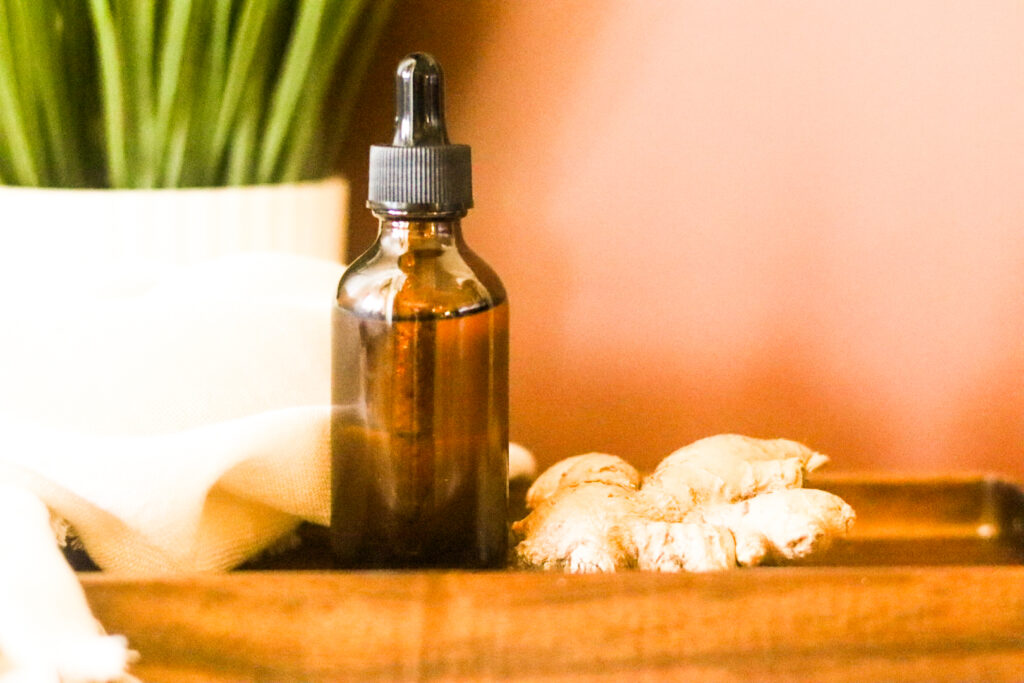
DIY Ginger Massage Oil for Pain Relief & Digestion
Here’s a simple, multi-purpose recipe you can use for sore muscles, cramps, or belly aches.
Ingredients:
Instructions:
- Add your carrier oil to the bottle.
- Drop in your essential oils.
- Cap, shake gently, and store in a cool place.
- Massage into sore spots or lower belly as needed.
The Power Behind Ginger: Why It’s More Than Just a Spicy Root
We’ve all used ginger in the kitchen—whether in stir-fries, tea, or baked goods—but the essential oil of ginger is where things get really interesting for natural wellness lovers. The oil extracted from the ginger plant is incredibly concentrated, meaning just a few drops of ginger oil carry powerful properties that the whole root has been celebrated for in traditional medicine for centuries.
From reducing inflammation to boosting circulation, ginger’s bioactive compounds make it a standout ingredient for holistic health. These compounds, including gingerol and shogaol, are what give the oil its signature spicy scent and heat—which is exactly what makes it so effective in topical application.
Ginger Root Essential Oil for Skin: A Natural Glow Booster
Though it’s often praised for muscle and joint support, ginger root essential oil also offers surprising benefits for the skin. Thanks to its antioxidant properties, it helps fight free radicals that contribute to aging and dullness. Its antibacterial and antiseptic properties make it a great addition to your skincare routine, especially if you’re dealing with acne-prone or oily skin.
I also love pairing ginger with soft floral oils in my DIY Linen Spray. Just a light mist on sheets or pillows can create a relaxing, spa-like feel—perfect for winding down after a long day.
How to use it:
Add 1–2 drops of ginger oil to a tablespoon of your favorite facial carrier oil (like jojoba oil) and apply to the face 1–2 times a week. Always perform a patch test first!
Ginger is my go-to when I need something warming and energizing. But on the flip side, when I want something calming and cozy, my Jasmine Massage Oil is the one I reach for. It’s floral, soothing, and such a peaceful way to wind down.
Can Ginger Root Essential Oil Help with Hair Loss?
Yes! While it’s not a miracle fix, ginger oil benefits the scalp in some pretty helpful ways. It stimulates blood flow, nourishes the hair follicles, and supports overall hair health. These benefits may lead to stronger strands, a healthier scalp, and possibly a reduction in hair loss when used consistently.
Try this:
Mix 2 tablespoons coconut oil with 3 drops of ginger oil and 2 drops of rosemary essential oil. Massage gently into your scalp, let it sit for 15–30 minutes, then wash out as usual. Do this 1–2 times per week for best results.

Ginger Oil for Stress & Mood Support
Did you know that the aroma of ginger oil can actually uplift your mood? Its warming, energizing scent is grounding and emotionally balancing, especially when blended with oils like orange, clove, or black pepper. Some aromatherapists even refer to it as a go-to in blends made for boosting confidence and motivation—hence the nickname “oil of empowerment.”
Use it in your diffuser:
Try blending 3 drops ginger, 2 drops sweet orange, and 1 drop clove bud oil in your diffuser for a cozy, mood-boosting aroma that feels like fall in a bottle.
If you love blending oils to support a calm mind and relaxed body, you might also enjoy my DIY Magnesium Oil Spray. It’s one of my go-to evening remedies for better sleep and stress relief—especially when layered with calming essential oils like lavender or chamomile.
Ginger Oil vs. Ginger Extract – What’s the Difference?
It’s easy to confuse ginger root essential oil with ginger extract, but they’re quite different. Ginger extract (often found in dietary supplements) is made by soaking the ginger root in alcohol or glycerin to pull out its medicinal health benefits of fresh ginger, while ginger essential oil is obtained through steam distillation and is much more concentrated.
Essential oil is for external use only, while extracts are usually used internally (under guidance). So if you’re making a skin product, scalp blend, or diffuser mix—stick with the oil.
Ginger and Circulation: A Natural Circulatory Booster
One of the most well-documented benefits of ginger oil is its ability to promote blood circulation. This can be a game changer if you struggle with cold hands and feet, low energy, or muscle tension.
Regular topical use of diluted ginger oil can help warm the body and improve nutrient delivery throughout the system. This is especially helpful in the colder months when your circulation tends to slow down.
Ginger Oil Safety: Who Should Avoid It?
While ginger essential oil is generally safe for topical use when properly diluted, there are a few groups of people who should proceed with caution:
- People on blood thinners: Ginger may increase bleeding risk.
- Those with high or low blood pressure: It can affect circulation.
- Before surgery: Always stop use at least two weeks before any surgical procedures.
- Pregnancy: Some sources recommend avoiding ginger oil during pregnancy—check with your provider.
- Sensitive skin: Do a patch test before using ginger oil anywhere on the body, especially the face or scalp.

FAQ – Ginger Root Essential Oil
Q: Can I ingest ginger essential oil?
A: No—not unless directed by a qualified health professional. Ginger essential oil is extremely concentrated and meant for external use only.
Q: Does ginger oil stain the skin or hair?
A: Not typically, but if used in high amounts or without proper dilution, it can cause irritation or a warming sensation. Use small amounts and always mix with a carrier oil.
Q: Can I use it daily?
A: Yes—if your skin tolerates it and you’re using it properly diluted, ginger oil can be part of your daily routine, whether for pain relief, skincare, or hair care.
Q: Are there studies backing up these claims?
A: Absolutely! While many different studies, including animal studies and in vitro studies, have explored the potential benefits of ginger oil, more human-based clinical trials are still needed. That said, its long-standing use in traditional medicine and Ayurvedic practices supports its reputation as a powerful natural remedy.
Q: Can I blend it with other oils?
A: Yes! Ginger pairs well with black pepper, cinnamon, citrus oils, lavender, and clove. It’s a warming oil, so it shines in energizing or comforting essential oil blends.
Ginger Root Essential Oil Benefits For Health + Easy Recipe

I first started using ginger essential oil when I was looking for something natural to ease occasional joint pain and bloating, but I had no idea how many health benefits of ginger oil I’d uncover. This spicy little powerhouse can do everything from support digestion to soothe sore muscles and even help with hair growth. It’s been used for centuries in Ayurvedic medicine, and now we have modern studies backing up what traditional healers already knew.
Ingredients
- 2 tablespoons carrier oil (like jojoba or coconut oil)
- 5 drops of ginger oil
- 3 drops lavender or peppermint oil (optional for cooling/soothing)
- Small glass bottle (30 ml or 1 oz)
Instructions
- Add your carrier oil to the bottle.
- Drop in your essential oils.
- Cap, shake gently, and store in a cool place.
- Massage into sore spots or lower belly as needed.
Final Thoughts
Ginger root essential oil is one of those little bottles that packs a serious punch. Whether you’re looking for pain relief, digestive help, or a boost in hair health, this warming oil has so many different uses. With thousands of years of use in Ayurvedic medicine and now supported by clinical trials, it’s a powerful natural remedy that belongs in every wellness cabinet.
Let me know how you’re using ginger oil in your skincare routine or massage oil blends—I’d love to hear what works for you!
Click Below For More Body Care Blogs:
- Magnesium Oil Made at Home – For Better Sleep Benefits
- Massage Oil: How to Make You Own Herbal-Infused Body Oil
- Magnesium Spray for Feet: Natural DIY Remedy for Better Sleep
Supplies You’ll Need:
- Carrier oil (like jojoba or coconut oil)
- Ginger oil
- Lavender or Peppermint oil (optional for cooling/soothing)
- Small glass bottle (30 ml or 1 oz)