Scalp Exfoliation for Hair Growth Made at Home
If you’re dealing with an itchy scalp, flaky scalp, or excess oil, chances are your scalp is overdue for a little TLC. A homemade scalp exfoliation using natural ingredients can help remove product buildup, improve scalp health, and support healthy hair growth—all from the comfort of your home.
A Personal Touch: Why I Started Exfoliating My Scalp
For the longest time, I struggled with an oily scalp that somehow still managed to feel dry and flaky at the same time. I’d pile on dry shampoo, only to deal with even more product residue weighing my hair down.
After trying countless hair care products, I stumbled upon DIY scalp exfoliation—and it changed everything. By using simple natural exfoliants like sugar crystals, aloe vera, and essential oils, I finally achieved a healthier scalp and shinier hair without relying on harsh chemicals.
Exfoliating became something I looked forward to doing and I also started exfoliating my body with this homemade body scrub and my face with my face exfoliator If you’ve ever wondered whether scalp exfoliation is right for you, keep reading—I’m about to share everything you need to know!
Benefits of Scalp Exfoliation
Scalp exfoliation helps remove dead cells, excess hair oil, and product residue left behind from hair care products like dry shampoo, styling products, and clarifying shampoo. By using a natural exfoliant, you encourage blood flow to the hair follicles, supporting shinier hair and reducing hair loss.
Regular exfoliation also helps balance oil production from the sebaceous glands, making it a great choice for those with oily hair or dry hair. After exfolating I like to follow up with my homemade shampoo and homemade conditioner which both just seal off a complete natural routine.
If you’ve ever scrolled through TikTok or social media, you’ve probably seen people raving about DIY scalp scrubs and their benefits for hair growth. It’s not just a passing trend—proper scalp exfoliation can truly transform the health of your hair by unclogging follicles, increasing blood circulation, and removing stubborn product buildup.
Unlike commercial hair products that often contain harsh chemicals, a homemade scalp scrub with natural ingredients provides a gentle yet effective way to cleanse and nourish your scalp. Plus, it’s a budget-friendly solution that works for all hair types, whether you have thick hair, curly hair, or even color-treated hair!
Key Ingredients for a DIY Scalp Exfoliation Scrub
The best diy recipes for scalp exfoliation use natural oils and gentle abrasives. Here’s a diy scalp scrub recipe that you can make at home using affordable natural ingredients:

Ingredients:
How to Make and Use Your DIY Scalp Scrub

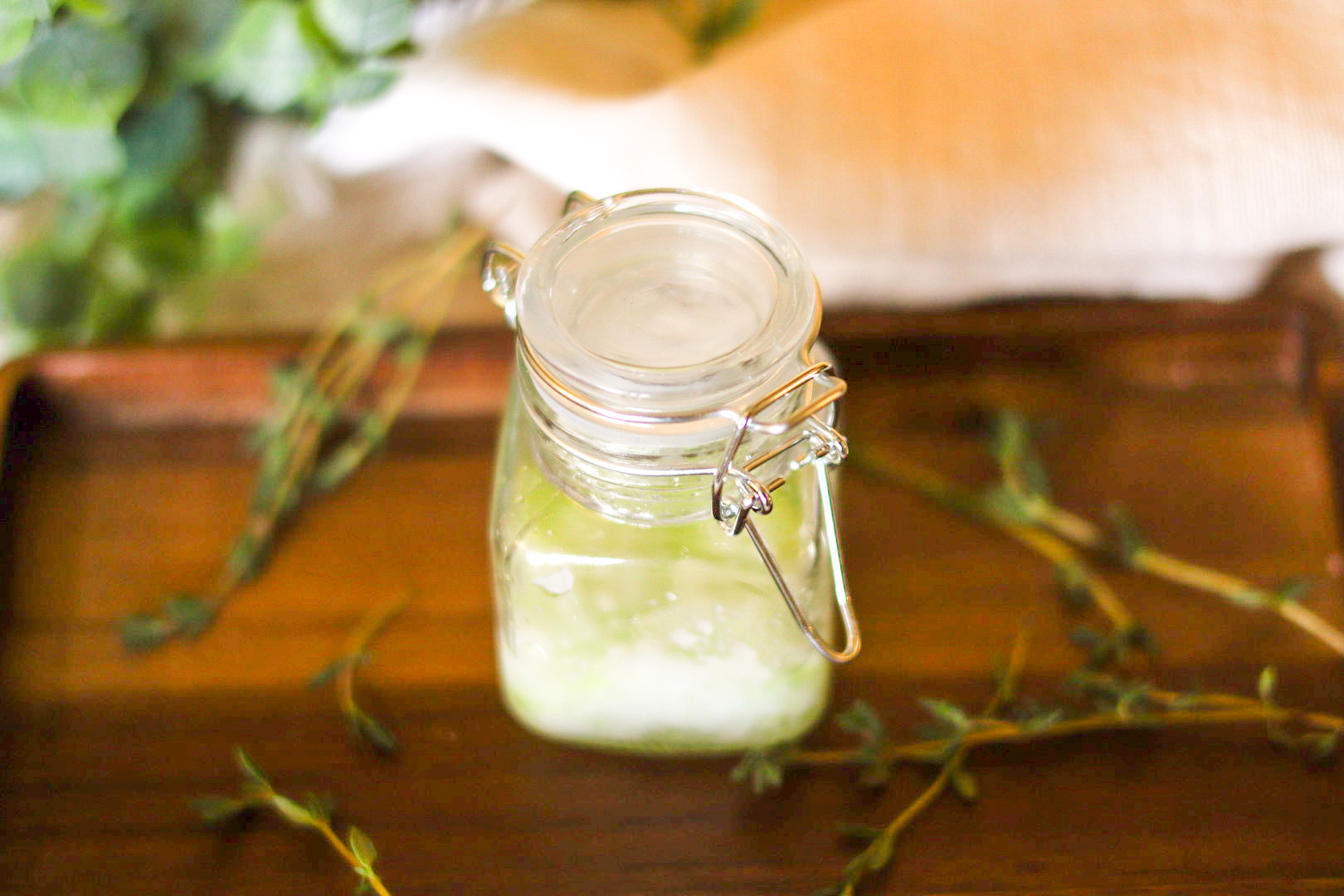
- In a small bowl, mix the sugar crystals with the tablespoon of coconut oil and aloe vera gel.
- Add the essential oil of your choice—peppermint oil, tea tree oil, or rosemary oil all have scalp-nourishing benefits.
- If you have a sensitive scalp or sensitive skin, consider adding a teaspoon of ground oatmeal for a gentle exfoliant.
- Mix well until you achieve a paste-like consistency.
- Before applying, do a patch test to ensure no irritation occurs.
- Apply to wet hair, sectioning as needed, and massage in circular motions for about 5 minutes.
- Rinse with lukewarm water, then follow with a regular shampoo to remove any residue.
- Condition your hair as usual.
Choosing the Right Scalp Exfoliation for Your Hair Type
Different hair types require different approaches to scalp treatment. Here’s how to adjust your homemade scalp scrub based on your scalp condition:
After exfoliating, your scalp is in the perfect state to absorb nourishing treatments. That’s when I reach for my hair growth oil. Just a few drops massaged into the scalp post-scrub can deeply nourish your hair follicles, encourage growth, and support overall hair health—it’s like food for your scalp!
After I use my hair growth oil, I love using my Rosemary Hair Spray to soothe the scalp and support healthy roots. It’s light, refreshing, and the perfect follow-up to a good scrub.
Once you’ve rinsed out your scalp treatment, it’s the perfect time to add moisture back to the ends of your hair. I usually follow up with a quick spritz of my leave-in conditioner to keep everything soft, tangle-free, and smelling amazing.
Additional Natural Scalp Exfoliation Remedies
If you want to try other diy recipes, here are some alternatives:
- Apple cider vinegar rinse: Mix apple cider vinegar with lukewarm water to dissolve product residue and balance oil production.
- Lemon juice & honey scrub: The acidity of lemon juice helps clarify the scalp, while honey provides antibacterial properties.
- Lactic acid & salicylic acid treatments: Found in chemical exfoliants, these can help with scalp issues like stubborn flakes.
- Salt scrubs with tea tree oil: Great for an itchy scalp and eliminating excess oil.
- After exfoliating my scalp and rinsing out all that buildup, I usually follow up with a nourishing hair oil or mask. And while I’m at it, I like to treat my lips too! My go-to is this simple homemade lip scrub—just a minute of gentle scrubbing makes such a difference.
FAQ: DIY Scalp Exfoliation Questions Answered
1. How often should I exfoliate my scalp?
It depends on your hair type and scalp condition. If you have an oily scalp, exfoliating once or twice a week can help control excess oil. For those with a sensitive scalp or dry skin, once every two weeks is ideal to prevent irritation.
2. Can scalp exfoliation help with hair loss?
Yes! Regular exfoliation removes dead cells and unclogs hair follicles, which can improve blood flow to the scalp and support healthy hair growth. However, if you’re experiencing severe hair loss, consult a professional to rule out underlying issues.
3. What’s the best scalp exfoliant for sensitive skin?
If you have a sensitive scalp, opt for a gentle exfoliant like ground oatmeal or brown sugar mixed with jojoba oil or aloe vera. Avoid coarse sea salt and strong essential oils like tea tree oil, which may cause irritation.
4. Can I exfoliate my scalp if I have color-treated hair?
Yes, but be cautious! Stick to natural exfoliants like sugar crystals and moisturizing natural oils like sweet almond oil to avoid stripping your color. Avoid harsh chemicals and acidic treatments like lemon juice or apple cider vinegar, as they may cause fading.
5. What should I do if my scalp feels dry after exfoliating?
Follow up with a scalp treatment using hydrating oils like avocado oil, rosehip oil, or olive oil. You can also apply a small amount of aloe vera gel for a calming effect and to restore moisture.

Final Thoughts
A healthy scalp is crucial for healthy hair growth, and incorporating a diy scalp scrub recipe into your hair care routine can make all the difference. Whether you struggle with oily hair, dry scalp, flaky scalp, or product buildup, there’s a scalp exfoliant suited for your needs. With natural ingredients, you can achieve healthier scalp, shinier hair, and improved hair health—all without using harsh chemicals found in commercial hair products. So, give this homemade scalp scrub a try and enjoy the benefits of a nourished, revitalized scalp!
Scalp Exfoliation for Hair Growth Made at Home
If you’re dealing with an itchy scalp, flaky scalp, or excess oil, chances are your scalp is overdue for a little TLC. A homemade scalp exfoliation using natural ingredients can help remove product buildup, improve scalp health, and support healthy hair growth—all from the comfort of your home.
Ingredients
- 2 tbsp sugar crystals or sea salt (brown sugar or sea salt for deeper cleansing)
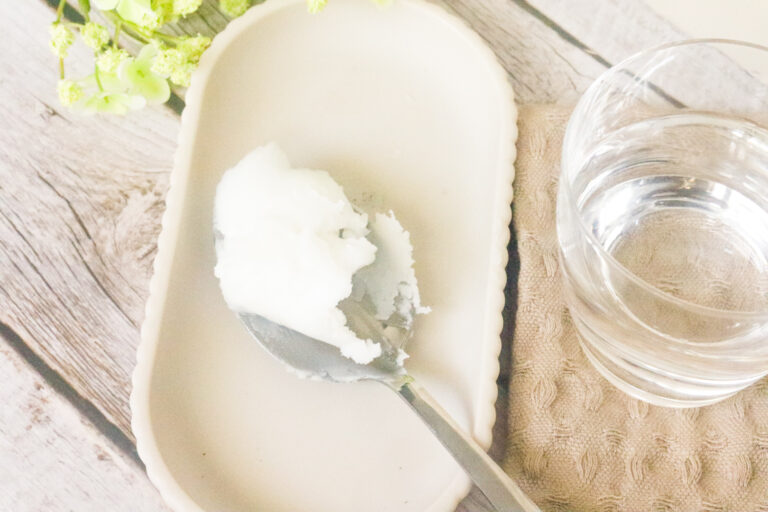
- 1 tbsp coconut oil (or avocado oil, olive oil, or jojoba oil for added moisture)
- 1 tbsp aloe vera gel (soothing and hydrating)
- 5 drops rosemary or peppermint essential oil (stimulates blood circulation and promotes healthier scalp)
- Optional: 1 teaspoon of honey (for its antibacterial properties)
Instructions
- In a small bowl, mix the sugar crystals with the tablespoon of coconut oil and aloe vera gel.
- Add the essential oil of your choice—peppermint oil, tea tree oil, or rosemary oil all have scalp-nourishing benefits.
- If you have a sensitive scalp or sensitive skin, consider adding a teaspoon of ground oatmeal for a gentle exfoliant.
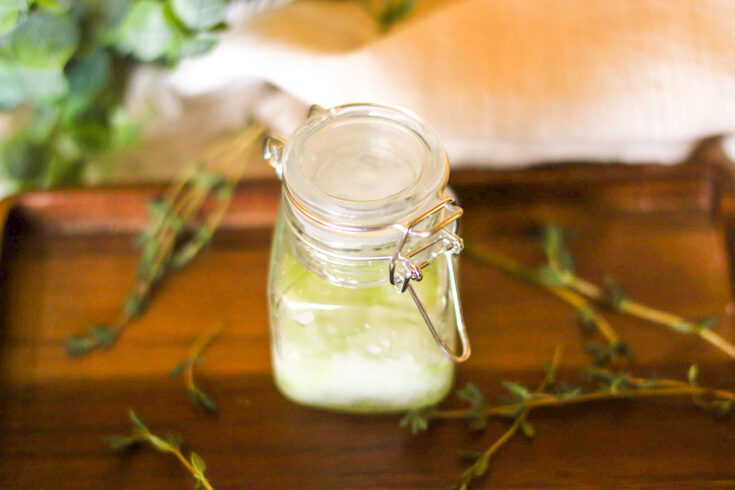
- Mix well until you achieve a paste-like consistency.
- Before applying, do a patch test to ensure no irritation occurs.
- Apply to wet hair, sectioning as needed, and massage in circular motions for about 5 minutes.
- Rinse with lukewarm water, then follow with a regular shampoo to remove any residue.
- Condition your hair as usual.
For More Recipes on Hair & Skin Care Click Below:
- Best Homemade Leave in Conditioner – DIY Simple Recipe
- Homemade Hair Growth Oil – DIY Ingredients for Healthy Hair
- The Best Dry Shampoo Recipe – Quick DIY Dry Shampoo
- Homemade Body Scrub – Easy Homemade Body Exfoliator
- Home Made Lip Scrub: Exfoliate Lips DIY Easy Recipe
Where to Get The Supplies You’ll Need:
- Sugar Crystals or Sea Salt (brown sugar or sea salt for deeper cleansing)
- Coconut oil (or avocado oil, olive oil, or jojoba oil for added moisture)
- Aloe vera gel
- 5 drops Rosemary or Peppermint essential oil
- Optional: Honey