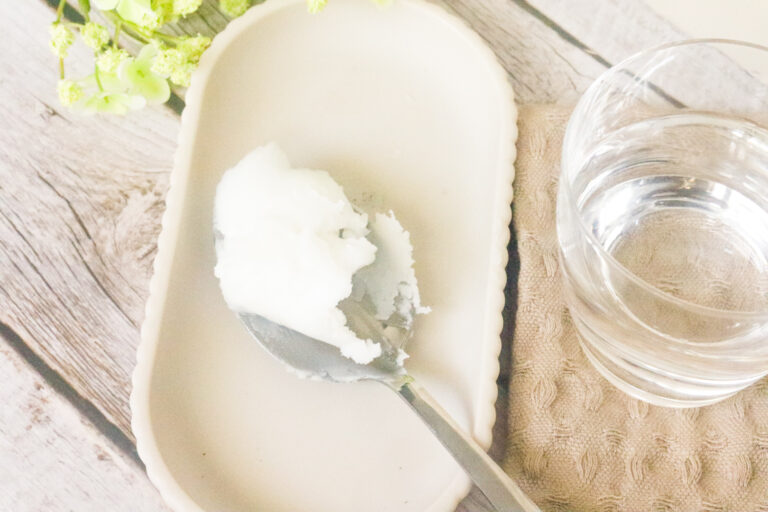
Homemade Shampoo Recipe Made With All Natural Ingredients
Hey beautiful! Let’s talk hair. Whether you’ve got curly hair, coarse hair, oily roots, or dry ends, one thing we all want is that fresh, bouncy, healthy shine. But girl, have you ever turned over your shampoo bottle and read the ingredients? Between the harsh chemicals, synthetic fragrances, and weird additives, it’s no wonder so many of us struggle with itchy scalps, hair loss, or lifeless strands. The good news? You can totally ditch those conventional shampoos and make your own homemade shampoo recipe—and trust me, your hair will thank you.

This homemade shampoo recipe is nourishing, gentle, and customizable for every hair type. It’s loaded with natural ingredients that cleanse without stripping the hair of its natural oils. Plus, it’s so simple and fun to make, you’ll feel like a kitchen chemist creating magic. This homemade shampoo cleans gently, and when I want a little volume and beachy texture, I reach for my sea salt spritz.
Why Switch to a Homemade Shampoo Recipe?
Before we jump into the DIY goodness, let’s talk about the main reasons more and more women are making the switch:
- Commercial shampoos often mess with your scalp’s pH level.
- Many store-bought shampoos include sulfates, parabens, and silicones that coat the hair rather than truly nourish it.
- They’re not usually designed with your specific hair type in mind (coarse, fine, thick hair, or color-treated? Yeah, we all need different things).
- DIY shampoo lets you create a truly natural alternative that supports healthy hair, real growth, and less buildup over time.
And if you’ve been experimenting with natural hair care products over the past year, this is a great way to take things to the next level. For a deeper clean, I like to use a bentonite clay hair mask once or twice a month to detox my scalp and remove product buildup naturally.
Looking for a full hair care routine? Follow this shampoo with my Homemade Hair Mask once or twice a week to support healthy, hydrated hair from root to tip.
What Makes This Homemade Shampoo Recipe So Good?
This natural shampoo recipe uses gentle cleansers and oils to leave your hair soft, balanced, and clean. Here’s what makes it so amazing:
- Liquid castile soap: A plant-based soap that gets the job done without the harshness of traditional shampoo.
- Coconut milk: Moisturizing and full of fatty acids for strength and shine.
- Raw honey: A natural humectant that draws in moisture and soothes the scalp.
- Carrier oils like olive oil, sweet almond oil, or jojoba oil help keep strands nourished.
- A few drops of essential oils (think peppermint oil, tea tree oil, or your fave scent!) for that fresh, spa-like experience.
Homemade Shampoo Recipe for All Hair Types
You’ll need:

Instructions:
- In a mixing bowl, stir together the coconut milk, honey, and carrier oil.
- Add the liquid castile soap and stir gently—avoid shaking to prevent foaming.
- Mix in your essential oils and optional boosters.
- Pour into an old shampoo bottle, empty bottle, or a small spray bottle.
- Store in the fridge for up to 2 weeks, or freeze portions to use over a long time.

Use about 1–2 tablespoons on wet hair, gently massage into your scalp and roots, and rinse with warm water or cool water for extra shine.
Perfect Natural Wash Day Routine With Your Homemade Shampoo Recipe
Pre-Shampoo:
- Once a week, I love giving my hair a little extra TLC with a deep DIY hair mask. It’s a total treat—think of it as a spa day for your strands. Packed with natural ingredients like avocado, coconut oil, and honey, it deeply nourishes, helps with dryness or damage, and leaves your hair feeling baby-soft.
- Before you even get to shampooing, one of my favorite prep steps is a good scalp exfoliation. It helps remove buildup from commercial shampoos, oils, and dry shampoo, making room for all those nourishing ingredients to really sink in. Think of it as a reset button for your scalp!
Post Shampoo:
- After cleansing with your homemade shampoo recipe, it’s important to follow up with a nourishing conditioner to restore moisture and smooth the hair shaft. I love using my homemade hair conditioner—it’s packed with natural oils and creamy ingredients that make detangling so much easier and leave your hair feeling soft and silky.
- Once you’ve shampooed, conditioned, and rinsed, the last step in my routine is a lightweight leave-in hair conditioner. It helps seal in moisture, reduce frizz, and protect from heat or styling—plus, it smells so good thanks to drops of essential oils!
How to Choose the Right Homemade Shampoo Recipe Oils for Your Hair Type
Oily Hair?
- Try tea tree oil, lemon juice, or peppermint oil to clarify.
- Use lighter oils like grapeseed or jojoba oil.
Dry Hair or Itchy Scalp?
- Go for olive oil, avocado oil, or sweet almond oil.
- Add a few drops of lavender or chamomile to soothe.
Curly or Coarse Hair?
- Use castor oil or coconut oil for moisture and definition.
- Try rosemary or ylang ylang for bounce and growth.
Sensitive Skin or Flaky Scalp?
- Stick to gentle oils like jojoba and calming oils like roman chamomile or tea tree oil.
Apple Cider Vinegar Rinse: The Perfect Finishing Touch
A homemade shampoo recipe works best when paired with a natural hair rinse like apple cider vinegar.
DIY ACV Rinse:
- Mix 1 tablespoon apple cider vinegar with 1 cup cool water
- Pour over your hair after shampooing
- Let sit for 1–2 minutes, then rinse thoroughly
This helps balance your scalp’s pH, detangles hair, and leaves it shiny without buildup from conventional shampoos.
Trying to wash your hair less? I’ve got you covered. On in-between days, I use my DIY dry shampoo—it’s made with simple, natural powders that absorb excess oil without leaving any chalky residue. It’s been a lifesaver since switching from conventional shampoos!

The First-Time Transition: A Homemade Shampoo Recipe
Okay, let’s keep it real: switching from commercial shampoos to a natural shampoo recipe might not be love at first wash. If your hair’s been dependent on store-bought shampoo, it’ll take a little time to detox.
You might notice:
- A little extra oiliness (your scalp adjusting!)
- Less lather (no chemical reaction here, just gentle clean)
- Changes in how your hair feels post-wash
Give it a few weeks. Your scalp will balance itself, your hair follicles will get happy, and your hair health will absolutely improve. The end of the day goal is healthy, thriving hair from roots to ends.
Customizing Your Homemade Shampoo Recipe for Every Hair Need
One of the best parts about making your own homemade shampoo is that you can tweak it depending on what your hair needs that week. Just like our skin, our hair goes through changes—weather, hormones, heat tools, or even how we’re sleeping can affect it.
So let’s talk about how to personalize your homemade shampoo recipe to match your hair’s mood.
For Oily Hair
If your scalp feels greasy by the afternoon or you feel like you’re always battling excess oil, here are some add-ins to help rebalance:
- Peppermint oil and tea tree oil help cleanse the scalp and reduce oil production.
- Swap out heavier oils like olive oil for lighter ones like jojoba or grapeseed oil.
- Add a teaspoon of lemon juice or apple cider vinegar to help clarify and restore pH.
- Use arrowroot powder to help absorb oils between washes.
Avoid over-washing, though—stripping your scalp too much can trigger it to produce even more oil.
For Dry or Flaky Scalp
If you’re dealing with dry hair, flakiness, or an itchy scalp, your shampoo needs to be extra gentle and hydrating:
- Use coconut milk as your base—it’s incredibly moisturizing.
- Add a few drops of lavender, chamomile, or sandalwood oil.
- Use jojoba oil or avocado oil—both mimic the scalp’s natural sebum and help soothe.
- Add a teaspoon of aloe vera gel for hydration and scalp repair.
And remember: always rinse with cool water to help lock in moisture and avoid stripping those precious natural oils.
For Hair Growth and Strength
Want to boost hair growth naturally? Focus on circulation and nourishment:
- Castor oil is your best friend—known for strengthening hair follicles and encouraging growth.
- Add rosemary, peppermint, or clary sage essential oil for stimulating the scalp.
- Try blending in a bit of vitamin E oil to protect strands and support healthy hair.
You can even gently massage your scalp while shampooing to increase blood flow—a small ritual that does wonders over time.
Want to really boost your results? Pair your homemade shampoo recipe with my homemade hair growth oil. Massage a few drops into your scalp before shampooing or as a weekly treatment to support stronger strands and healthier hair follicles.
For Curly, Coarse, or Thick Hair
Girls with curls and coils, listen up! Your hair loves moisture and gentle care:
- Stick with creamy, nourishing bases like coconut milk or aloe vera gel.
- Use rich carrier oils like castor oil, sweet almond oil, or even a touch of coconut oil.
- Ylang ylang, patchouli, or cedarwood essential oils can help tame frizz and boost softness.
Curly hair doesn’t love being squeaky clean—so don’t overdo the castile soap, and be sure to follow with a deep DIY conditioner or leave-in spray.

The Power of Natural Ingredients – Why Each One Matters
Here’s a closer look at what each ingredient is doing in your shampoo bottle:
Liquid Castile Soap
It’s gentle, biodegradable, and made from plants—usually olive oil. It provides just enough cleansing without being harsh like sulfates in commercial shampoos.
Coconut Milk
Packed with lauric acid and fatty acids, coconut milk strengthens hair and reduces breakage. It also adds that creamy texture we all love.
Raw Honey
Nature’s humectant! It draws moisture into the hair and helps prevent itchy scalp and flakes.
Olive Oil
Deeply nourishing, especially for dry hair and thick hair. It adds shine and helps soften.
Jojoba Oil
Lightweight and nearly identical to our scalp’s own sebum—perfect for balancing oily hair and sensitive scalps.
Arrowroot Powder
Absorbs oil and gives your shampoo a silky feel—great for keeping hair of its natural oils without going greasy.
Essential Oils
Beyond smelling amazing, essential oils serve real purposes. Think of them as the active agents in your shampoo. Just be sure you’re not using too much essential oil—5 to 10 drops per ounce of shampoo is the right amount.
Seasonal Variations – Homemade Shampoo Recipe That Matches the Weather
Just like we change our clothes with the seasons, your shampoo can shift too.
Spring & Summer
- Add tea tree or eucalyptus for a refreshing cleanse.
- Use lemon juice or apple cider vinegar rinse weekly to remove sweat and product buildup.
- Store in the fridge for a cool scalp treat on hot days.
Fall & Winter
- Use more moisturizing oils: sweet almond, olive, and vitamin E.
- Add warming oils like cinnamon leaf or cedarwood for a cozy scent.
- Rinse with lukewarm water—avoid hot water, which can dry out your scalp.
Going Deeper: Detoxing From Commercial Shampoos
If this is your first time switching from store-bought shampoo, you might experience what’s called a “transition phase.”
Your scalp is adjusting to life without harsh chemicals and synthetic detergents. You might feel a bit more oil, less lather, or a different texture. That’s totally normal!
Here’s what can help:
- Rinse with an apple cider vinegar rinse 1–2 times a week.
- Use dry shampoo recipes with arrowroot powder to stretch wash days.
- Be patient! In a few weeks, your hair will balance, shine, and feel better than ever.
Building a Natural Hair Care Routine Around Your Shampoo
Your homemade shampoo recipe is a great foundation, but your hair deserves the full package. Here’s how to build a complete natural hair care routine:
- Pre-shampoo treatment – Massage coconut oil, castor oil, or aloe vera gel into your scalp for 20–30 minutes before washing. And using my homemade scalp exfoliation to remove any buildup or dead skin from your scalp.
- Shampoo – Use your own homemade shampoo, gently massaging the scalp and letting the lather cleanse from roots to ends.
- Rinse – Try a white vinegar or apple cider vinegar rinse to clarify and seal the cuticle.
- Condition – Follow up with my homemade conditioner or deep treatment using natural recipes.
- Hair Mask – And if you want to give your hair a full spa day, I highly recommend my DIY Hair Mask. It’s a rich deep treatment I use once a week to restore moisture, especially if your hair’s been feeling dry or dull.
- Leave-in spray – Lasting to set everything into place, follow up with my homemade leave in conditoner.
- Oil — And if you really want to encourage length and thickness, try my Homemade Hair Growth Oil once or twice a week — it’s been a game-changer for me.
Creating Your Haircare Ritual
This isn’t just about washing your hair—it’s about tuning into what your body needs and honoring it with simple, nourishing natural products. Take this time for you.
I like to pair this shampoo with my Rosemary Hair Spray once my hair is dry — it helps promote growth and gives my scalp a refreshing little tingle.
Light a candle. Play your favorite playlist. Breathe in the drops of essential oils you chose. Pour your shampoo into an old shampoo bottle or a cute mason jar with a pump. Make it feel like a gift—because it is.
Bonus Recipes: For When You’re Feeling Extra
Shampoo Bar Recipe (for the DIY pros):
- Melt shea butter and combine with coconut oil, castor oil, and baking soda
- Stir in essential oils and pour into molds
- Let set for 24 hours and cure for 2–3 weeks
These are great for travel or gifting!
How to Store Your Homemade Shampoo Recipe the Right Way
Now that you’ve crafted your gorgeous natural shampoo recipe, you’ll want to make sure it stays fresh and effective. Since we’re working with natural ingredients (and skipping all those synthetic preservatives from commercial shampoos), storage matters.
Here’s how to keep your shampoo shelf-stable and ready to use:
- Use a clean, glass or BPA-free plastic bottle. I love repurposing an old shampoo bottle—just give it a good wash first.
- Keep it in the refrigerator if you’re using perishable ingredients like coconut milk or aloe vera gel. It’ll last about 1–2 weeks in the fridge.
- For longer shelf life, freeze portions in ice cube trays and pop one out as needed.
- Store in a cool, dark place if your recipe doesn’t contain perishable ingredients.
You can also add a few drops of vitamin E oil or rosemary essential oil—both have natural antioxidant properties that can help extend your shampoo’s freshness.
Ingredient Swaps & Customization Tips
Part of the fun with DIY shampoo recipes is experimenting to find what works best for your hair. Don’t be afraid to switch things up!
- No coconut milk? Try aloe vera gel or a blend of cup of water with a little arrowroot powder for a lighter base.
- Not a fan of olive oil? Go for sweet almond oil, jojoba oil, or even apricot kernel oil—all great for softness and shine.
- Want more cleansing power? Add ½ tsp of baking soda (just don’t use this too often—it’s strong stuff!).
- Want a different scent? Use drops of your favorite essential oils like ylang ylang, grapefruit, or geranium.
No matter what your hair type is, you can build your own personalized blend using the same foundation. Play around, and find what makes your hair happiest.

FAQ: All About This Homemade Shampoo Recipe
Can I use this on color-treated hair?
Yes! Just make sure your essential oil blend doesn’t include citrus, which can fade color. Use cold water to wash to preserve your hair color.
How often should I use this shampoo?
2–3 times a week is usually plenty. You can always alternate with a co-wash or light body wash rinse if needed.
How long is the shelf life?
Keep your own shampoo in the fridge and use within 2–3 weeks for max freshness. You can also freeze portions.
What’s the best bottle to use?
A repurposed old shampoo bottle, a mason jar with a pump, or an empty bottle with a flip-top are all perfect. Just avoid clear plastic if you’re storing in direct light.
Can I use this on kids?
Yep! Just use super gentle oils like lavender or chamomile and do a patch test.
Does this really help with hair growth?
Over time, yes! By avoiding harsh chemicals, supporting the hair follicles, and choosing oils that nourish, your hair can grow healthier and stronger.
Homemade Shampoo Recipe Made With All Natural Ingredients

This homemade shampoo recipe is nourishing, gentle, and customizable for every hair type. It’s loaded with natural ingredients that cleanse without stripping the hair of its natural oils.
Ingredients
- ½ cup liquid castile soap (unscented)
- ¼ cup coconut milk (store-bought or homemade)]
- 1 tablespoon raw honey
- 1 tablespoon olive oil (or jojoba oil, castor oil, or sweet almond oil)
- 10 drops of essential oil (choose based on your hair type—more on that below)
- Optional: 1 teaspoon vitamin E (for shine and a longer shelf life)
- Optional: 1 teaspoon arrowroot powder (helps balance oily hair)
Instructions
- In a mixing bowl, stir together the coconut milk, honey, and carrier oil.
- Add the liquid castile soap and stir gently—avoid shaking to prevent foaming.
- Mix in your essential oils and optional boosters.
- Pour into an old shampoo bottle, empty bottle, or a small spray bottle.
- Store in the fridge for up to 2 weeks, or freeze portions to use over a long time.
Final Thoughts: Your Own Hair, Your Own Way
Making your own homemade shampoo is more than just a fun DIY recipe—it’s a way to reclaim your hair care products, ditch the junk, and give your hair what it actually needs.
Whether it’s your first time trying a natural shampoo recipe, or you’ve been experimenting with homemade recipes for a while now, this is your sign to go for it. The ingredients are easy, the steps are simple, and the results? Chef’s kiss.
So light a candle, tie up your hair, and treat yourself to this beautiful act of natural self-care. You’re gonna love the way your hair feels—promise.
Shop This Post:
- Liquid castile soap (unscented)
- Coconut milk (store-bought or homemade)
- Raw honey
- Olive oil (or jojoba oil, castor oil, or sweet almond oil)
- Optional: Vitamin E
- Optional: Arrowroot powder
Click Below For More Hair Care Related Blog Post
- Easy Homemade Hair Conditioner – DIY Natural Recipe
- Homemade Hair Growth Oil – DIY Ingredients for Healthy Hair
- Best Homemade Leave in Conditioner – DIY Simple Recipe
- Rosemary Hair Spray – For Stimulating Hair Growth
- DIY Hair Mask – All Natural Recipes For Best Mask
- The Best Dry Shampoo Recipe – Quick DIY Dry Shampoo
- Easy Sea Salt Spritz Recipe for Natural Beach Waves
- How to Use Aztec Clay Mask on Hair – A Cozy DIY to Restore & Rejuvenate