The Best Whitening Toothpaste Recipe Made With Natural Ingredients
Many whitening toothpastes promise a brighter smile, but they often contain harsh chemicals that can lead to tooth sensitivity and weaken tooth enamel over time. Choosing the best toothpaste for whitening teeth with effective ingredients like baking soda, coconut oil, and peppermint oil can help remove surface stains while supporting long-term oral health.
I remember the first time I really paid attention to my smile. It was in a photo—a candid shot where I was laughing, carefree and happy. But instead of cherishing the moment, my eyes went straight to my teeth. They weren’t as bright as I wanted them to be. Years of drinking coffee, the occasional glass of red wine, and everyday life had left them looking dull and stained.
I tried professional whitening treatments, but they left my sensitive teeth aching for days. Conventional toothpaste promised results, but a quick look at the ingredient list made me hesitate. Why was I putting chemical agents in my mouth twice a day? Wasn’t there a natural option that could give me a whiter smile without the side effects?
That’s when I started my journey toward natural whitening toothpaste. If you’ve been searching for a fluoride-free option, something that cleans effectively without harsh chemicals, then keep reading—you’re about to discover a better way to care for your dental health.
This natural whitening toothpaste brightens gently, and my homemade mouth spray keeps that freshness going between brushes.
Why Traditional Toothpaste Falls Short
Many regular toothpaste brands contain sodium lauryl sulfate and artificial flavors, which can strip your tooth enamel and contribute to oral health issues like bad breath and tooth decay. While professional whitening treatments may offer short-term results, they often rely on carbamide peroxide and hydrogen peroxide—ingredients that can erode enamel over time.
Struggling with sensitivity while whitening? You’ll love this Home Cure for Sensitive Teeth filled with DIY remedies that don’t compromise your enamel.
Even some of the best overall whitening toothpaste options, like Colgate Optic White Pro Series, include titanium dioxide and other synthetic ingredients that don’t align with those seeking a more natural approach to dental care.
This natural mouth rinse pairs beautifully with my whitening toothpaste—it’s gentle, minty, and the perfect way to finish off your routine.
The Natural Alternative: A Healthier Approach to Dental Care
If you’re looking for a fluoride-free toothpaste with clean ingredients, switching to a natural whitening toothpaste made from plant-based and natural sources can deliver noticeable results—without sacrificing your oral health.
Some of the most effective active ingredients include:
- Baking soda (sodium bicarbonate): Helps remove surface stains and neutralizes acids to protect against tooth decay.
- Calcium carbonate: A gentle, abrasive ingredient that cleans without wearing down tooth enamel.
- Organic coconut oil: Known for its antimicrobial properties and use in oil pulling to support healthy gums.
- Peppermint oil (Mentha piperita): Adds a minty flavor and freshens breath.
- Sea salt: Fights bacteria and contributes to a healthy oral microbiome.
Finding the Right Toothpaste for You
The right toothpaste depends on your specific needs. If you’re searching for the best teeth-whitening toothpaste or a hydroxyapatite-based toothpaste to remineralize enamel, there are plenty of natural options on the market today.
For a fluoride-free toothpaste with no animal testing, Dr. Brite’s toothpaste recipe is a popular option with clean ingredients suitable for daily use. For others, a toothpaste with sodium fluoride or stannous fluoride approved by the American Dental Association might be necessary for cavity prevention.
How to Make the Best Whitening Toothpaste
If you’d rather skip store-bought products altogether, making your own natural toothpaste at home is simple and affordable. Using clean ingredients means you avoid unnecessary synthetic additives while still getting great results.

DIY Best Whitening Toothpaste Recipe:
Instructions:
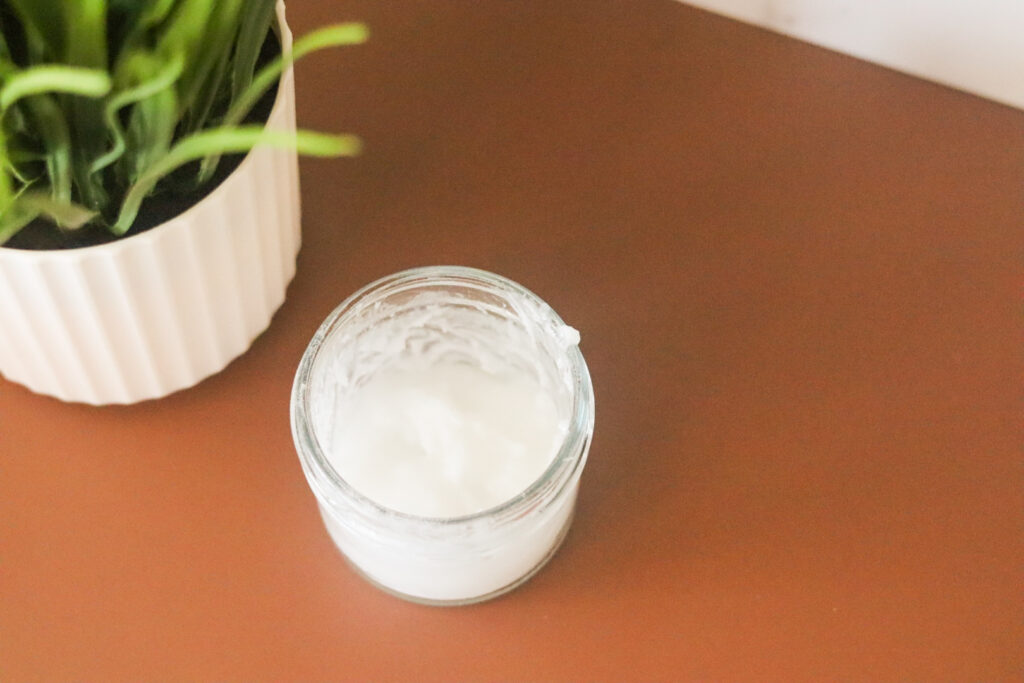
- Mix baking soda and sea salt in a small bowl.
- Add coconut oil and stir until combined.
- Add peppermint oil and blend until smooth.
- Transfer to an airtight container and store in a cool, dry place. The shelf life is about one month.

How to Use for Best Results:

For the best results, use your DIY natural whitening toothpaste twice a day as part of your daily use routine. Apply a pea-sized amount on a soft-bristled toothbrush, brush for two minutes, and rinse thoroughly. Regular use will help remove surface stains, strengthen tooth enamel, and give you a natural brighter smile over time.
Supporting Your Whole-Mouth Health Naturally
When we think of whitening, we often picture just the teeth. But true oral health includes the gums, enamel, tongue, and even the balance of good bacteria in the mouth. Many natural whitening toothpaste products go beyond just surface-level benefits, helping to create a healthier environment for your entire mouth.
For example, organic coconut oil is well known for its role in oil pulling, a traditional practice that helps reduce bacteria in the mouth, combat plaque, and improve overall gum health. Combined with sea salt and peppermint oil, this creates a simple yet effective way to manage not just stains but also bad breath, gum sensitivity, and other common dental issues.
The Link Between Oral Health and Overall Well-Being
Your mouth is connected to your entire body, and poor oral hygiene has been linked to conditions like heart disease and diabetes. That’s why more people are leaning toward natural products that support not only a brighter smile but also long-term wellness.
Natural toothpaste made with plant-based ingredients, such as green tea extract and tea tree oil, helps support this bigger picture by reducing harmful bacteria while protecting delicate tissues like the gums. These ingredients offer antimicrobial properties without the harshness of chemical agents, providing a more balanced approach to dental care.
How Natural Teeth Whitening Toothpaste Helps Sensitive Teeth
If you deal with sensitive teeth, you’re not alone. Many whitening products found in conventional toothpaste strip away minerals from tooth enamel, leaving nerves exposed to hot, cold, or sweet triggers.
Natural whitening toothpaste helps reduce this issue by being less abrasive and often including ingredients like potassium nitrate, which is known to calm nerve pathways. Additionally, minerals like calcium carbonate and hydroxyapatite support tooth enamel remineralization, helping to create a natural barrier that protects sensitive areas.
How Does Natural Whitening Compare to Commercial Brands?
A big concern for many is whether natural options can truly compete with the whitening power of professional treatments or regular toothpaste brands.
The short answer: yes, though results may take longer. While carbamide peroxide or hydrogen peroxide found in store-bought whiteners deliver fast results, they often come with drawbacks like tooth sensitivity and enamel erosion. On the other hand, natural whitening toothpaste works more gradually but builds long-term resilience by avoiding harmful synthetic ingredients like titanium dioxide and sodium benzoate.
Additionally, because natural toothpaste tends to have milder abrasive ingredients, it can be safely used every day without wearing down your teeth, giving you a more sustainable way to maintain a whiter smile over time.
A Closer Look at DIY Toothpaste Texture and Flavor
When making your own toothpaste recipe, you may notice the texture differs from regular toothpaste. Without thickening agents like hydrated silica or commercial binders, DIY versions may feel slightly grittier or more paste-like depending on how much purified water or vegetable glycerin you use.
For a smoother feel, some people add xanthan gum to create a creamier consistency. Additionally, stevia rebaudiana leaf extract is often used to lightly sweeten the paste without sugar or artificial sweeteners.
Flavor-wise, peppermint oil (Mentha piperita) is a go-to for adding a cooling, minty flavor while promoting oral hygiene. You can also experiment with tea tree oil for added antimicrobial benefits or green tea extract for its fresh, earthy undertone.

Tips for Maximizing Teeth Whitening Toothpaste Results Naturally
To make the most of your natural whitening toothpaste or DIY recipes, follow these best practices:
- Be consistent: Regular use twice a day will provide the best results over time.
- Use a soft-bristled toothbrush: This prevents abrasion to enamel while still effectively cleaning surface stains.
- Rinse with saltwater or herbal mouthwash: After brushing, rinsing with saltwater or an herbal mouthwash (such as chamomile or sage) supports gum health and helps maintain fresh breath naturally.
- Limit foods and drinks that stain: Coffee, tea, red wine, and tomato sauce can all dull your smile, so balancing these with natural brushing routines will preserve your white teeth.
Ingredients to Watch Out For in Regular Toothpaste
It’s helpful to understand why many people make the switch to natural options. Some common chemical agents and additives to be cautious of include:
- Sodium lauryl sulfate (SLS): Can irritate gums and strip enamel.
- Artificial flavors and dyes: These can lead to unwanted sensitivities or allergic reactions.
- Titanium dioxide: Often added for whitening color but has raised health concerns.
- Sodium benzoate: A common preservative that some prefer to avoid when aiming for truly clean ingredients.
By comparison, natural whitening toothpaste focuses on simple, effective elements like baking soda, sea salt, and organic coconut oil.
Expanding Your Natural Oral Care Routine
If you’re committed to natural living, consider going beyond toothpaste. Here are a few ideas:
- Oil pulling with coconut oil or sesame oil for overall mouth detoxification.
- Adding camellia sinensis (green tea extract) to your mouthwash for its antioxidant and antibacterial benefits.
- Trying homemade tooth powder as a zero-waste alternative to pastes.
- Incorporating a tongue scraper to further reduce bad breath and bacteria buildup.
These practices, when paired with your natural toothpaste, will help you achieve a brighter smile and promote holistic dental health.
Why Natural Ingredients Matter
Choosing toothpaste with natural products not only benefits your smile but your overall dental health. Natural whitening toothpaste avoids chemical agents and abrasive ingredients found in regular toothpaste, which can contribute to tooth sensitivity and weaken enamel.
Additionally, ingredients like aloe vera can soothe irritated gums, while green tea extract (Camellia sinensis) and tea tree oil offer antimicrobial properties for fresher breath and a healthier mouth.
Should You Consider Tooth Powder?
For those who want to take it a step further, tooth powder is another great natural option. Check out my Homemade Powder for Whitening Teeth – Easy Tooth Powder. Made with baking soda, sea salt, and herbs, it’s free of sodium benzoate, artificial flavors, and other common fillers in regular toothpaste.
The Best Whitening Toothpaste Made With Natural Ingredients
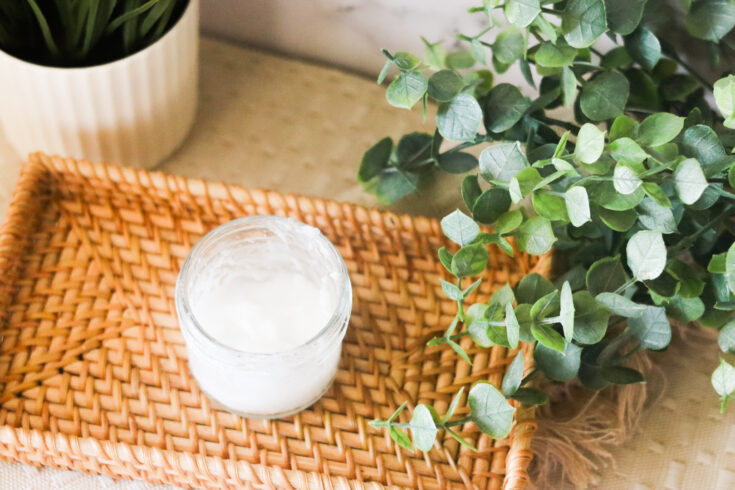
This DIY natural whitening toothpaste recipe combines simple, effective ingredients like baking soda, organic coconut oil, sea salt, and peppermint oil to gently remove surface stains and freshen your breath. Free from synthetic chemicals and artificial flavors, this fluoride-free option supports stronger tooth enamel and promotes overall oral health. Perfect for daily use and sensitive teeth, this easy-to-make toothpaste helps you achieve a brighter, healthier smile—naturally.
Ingredients
- 2 tbsp baking soda (sodium bicarbonate)
- 1 tbsp organic coconut oil
- 1 tsp sea salt
- 5 drops peppermint oil (Mentha piperita)
- Purified water (adjust for texture)
Instructions
- Mix baking soda and sea salt in a small bowl.
- Add coconut oil and stir until combined.
- Add peppermint oil and blend until smooth.
- Transfer to an airtight container and store in a cool, dry place. The shelf life is about one month.
Notes
The shelf life is about one month.
The Bottom Line
Whether you opt for a store-bought best natural toothpaste, a homemade recipe, or a simple tooth powder, natural alternatives can provide an effective, gentle way to achieve a whiter smile without compromising oral health.
By making the switch, you can enjoy cleaner, stronger teeth while avoiding unnecessary exposure to chemical agents and synthetic ingredients commonly found in traditional toothpaste.
At the end of the day, the right toothpaste is the one that fits your lifestyle, preferences, and oral health goals. If you prioritize fluoride-free options or want to avoid animal testing, there are plenty of natural whitening toothpaste brands — like Dr. Brite — that offer transparency, quality, and sustainable sourcing.
Remember, taking a natural approach isn’t just about achieving white teeth—it’s about nurturing your entire mouth and supporting overall wellness.
Click Below For More Natural Recipes:
1. Homemade Powder for Whitening Teeth – Easy Tooth Powder
2. The Best Dry Shampoo Recipe – Quick DIY Dry Shampoo
3. Homemade Body Scrub – Easy Homemade Body Exfoliator
4. DIY Whipped Shea Butter Recipe – Simple & Non-greasy
5. The Best Homemade Facial Scrub – Homemade Exfoliator for Face
6. Natural Mouth Rinse – Easy Homemade Mouth Rinse Recipe
7. Home Cure For Sensitive Teeth
8. Mouth Spray For Dry Mouth and Bad Breath– A Natural And Easy Fix
Supplies You’ll Need:
1. Baking soda (sodium bicarbonate)
2. Organic coconut oil
3. Sea salt
4. Peppermint oil (Mentha piperita)