
Cream of Magnesium Made at Home – Quick & Easy Recipe
If you’ve been scrolling through TikTok or browsing natural wellness blogs lately, you’ve probably heard about Cream of Magnesium. And let me tell you — it totally lives up to the hype. This creamy, luxurious body cream is packed with health benefits, especially if you struggle with muscle cramps, restless legs, dry skin, or even trouble falling asleep at night.
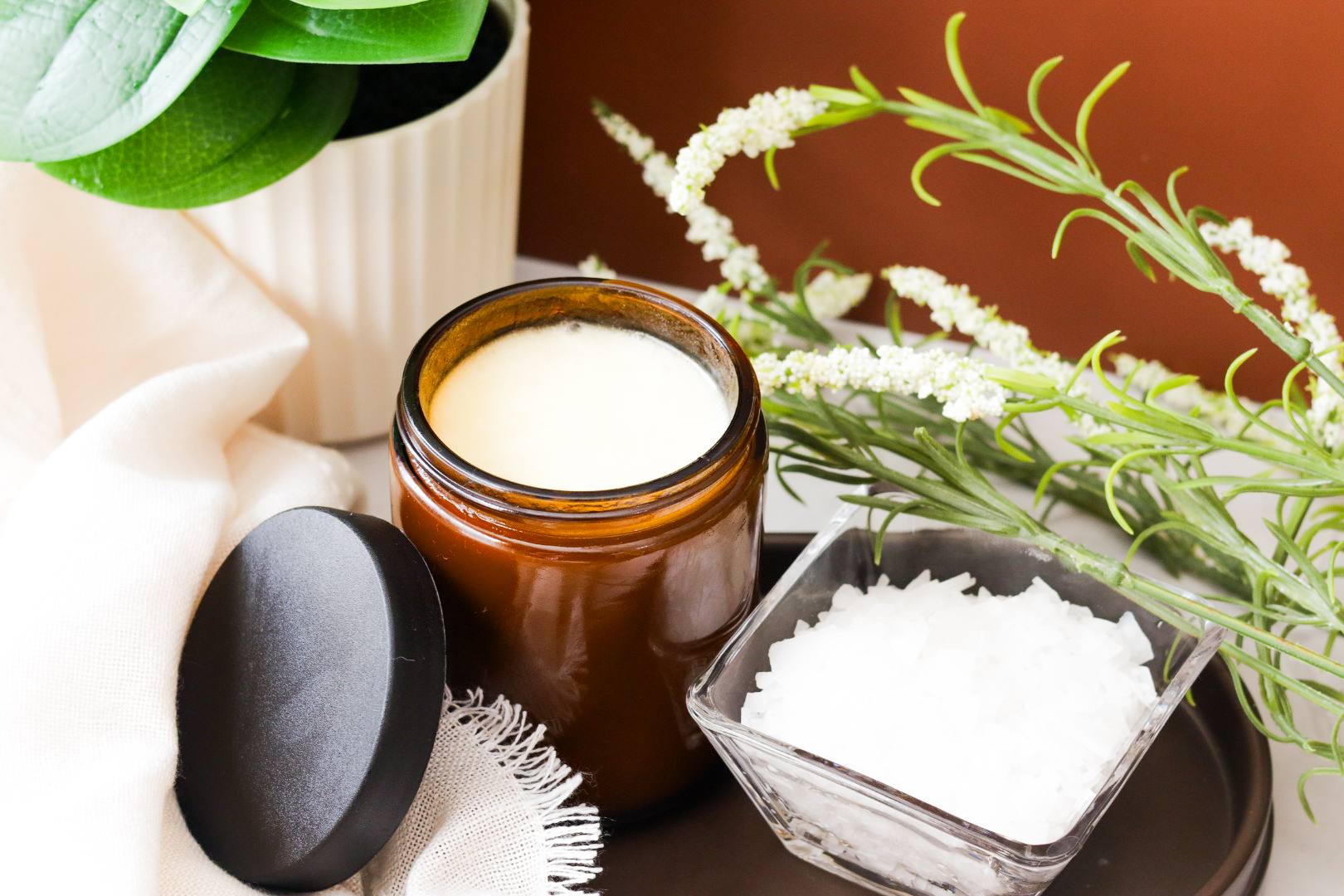
I’ve been using this for a long time now, and I always say it’s one of the easiest ways to boost your magnesium intake naturally. If you’re tired of oral magnesium supplements and their not-so-fun laxative effect, this topical magnesium recipe is your new best friend. Ready to make your own cream of magnesium at home? I’ve got you covered with a simple, nourishing recipe that comes together in no time. If you’re also treating age spots, here’s my gentle DIY remedy.
Why Magnesium Matters
Let’s start with the basics. Magnesium is involved in over 300 bodily functions, from calming the nervous system to supporting your digestive tract and even easing mood swings and anxiety. Unfortunately, due to poor diets, lifestyle factors, and nutrient-depleted soil, many people today are running low — especially pregnant women or those with digestive issues that affect absorption. Want a soothing oil to use before applying cream of magnesium? Try my calming Massage Oil recipe made with herbs and natural oils that sink beautifully into the skin.
Some signs of magnesium deficiency include:
- Muscle cramps or spasms
- Restless legs at night
- Trouble sleeping
- Low energy or fatigue
- Digestive issues
- Increased anxiety
Dr. Norm Shealy was one of the first to popularize magnesium oil spray for topical use, and studies suggest that applying magnesium through the skin can help replenish magnesium levels without going through the digestive tract. That’s where cream of magnesium comes in!
Cream of Magnesium vs. Magnesium Oil
If you’ve ever used magnesium spray, you probably noticed that it can leave your skin a little sticky or tingly. That’s because it’s not actually an oil — it’s a super-concentrated form of magnesium chloride in water. Great for absorption, not so great for how your skin feels, especially if you have sensitive skin or apply it after shaving.
That’s where cream of magnesium comes in. It combines that same powerful magnesium mixture with organic shea butter, coconut oil, and carrier oils like olive oil to create a soothing, creamy texture your skin will love. Think of it as the moisturizing, luxurious upgrade your tired muscles have been begging for. While this cream is amazing for tired feet and hands, I like to add a drop of my DIY Cuticle Oil right into my nail beds for a little extra love.
If you love the convenience of sprays, but want something more targeted, I also have a magnesium foot spray that’s perfect for tired feet at the end of a long day — especially in the warmer months when you don’t want a heavy lotion.
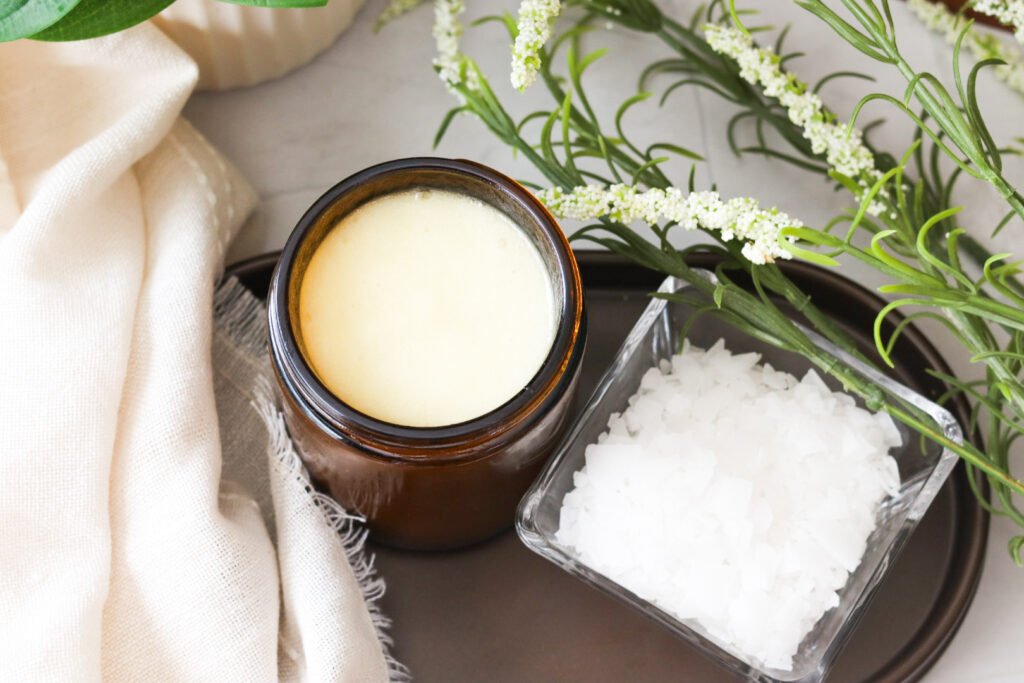
Benefits of Cream of Magnesium
Here’s what makes this stuff so magical:
- Supports restful sleep and better sleep quality
- Calms restless legs and soothes muscle cramps
- Helps reduce anxiety and tension
- Nourishes dry skin with fatty acids and healing oils
- Absorbs easily with no greasy residue
- Completely natural — no weird additives!
And yes, it smells amazing — especially when you add a few drops of lavender essential oil.
Let’s Make It! Cream of Magnesium Recipe
You’ll Need:
Directions:
1. Make Your Magnesium Oil (if needed):
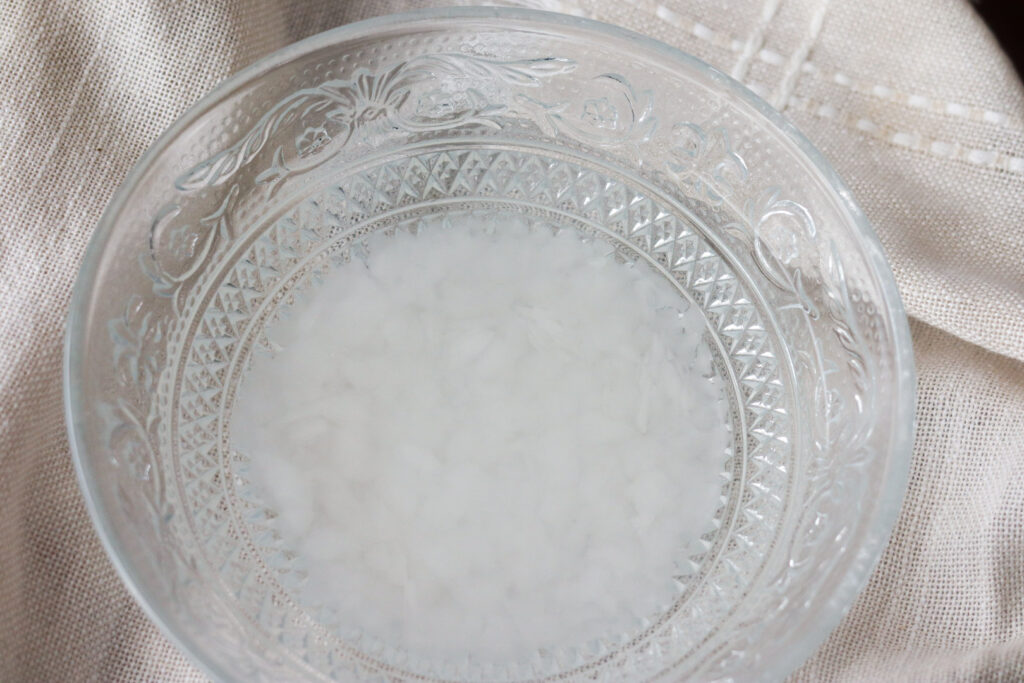
In a small bowl, combine ½ cup magnesium flakes with ½ cup hot water (not boiling) and stir until dissolved. Let cool to room temperature. This is your magnesium mixture.
2. Melt the Butters & Oils:
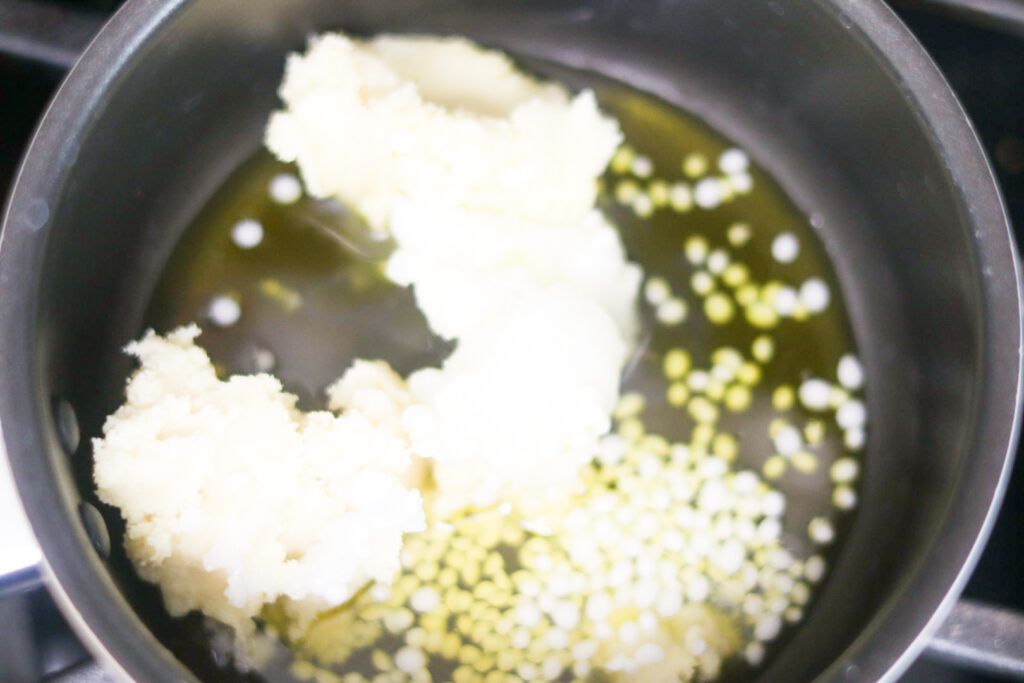
In a glass bowl or double boiler, combine your shea butter, cocoa butter, coconut oil, olive oil, and emulsifying wax. Use low to medium heat and stir gently until fully melted.
3. Cool It Down:
Remove from heat and let it sit for 5–10 minutes until it starts to thicken slightly but is still warm (not hot).
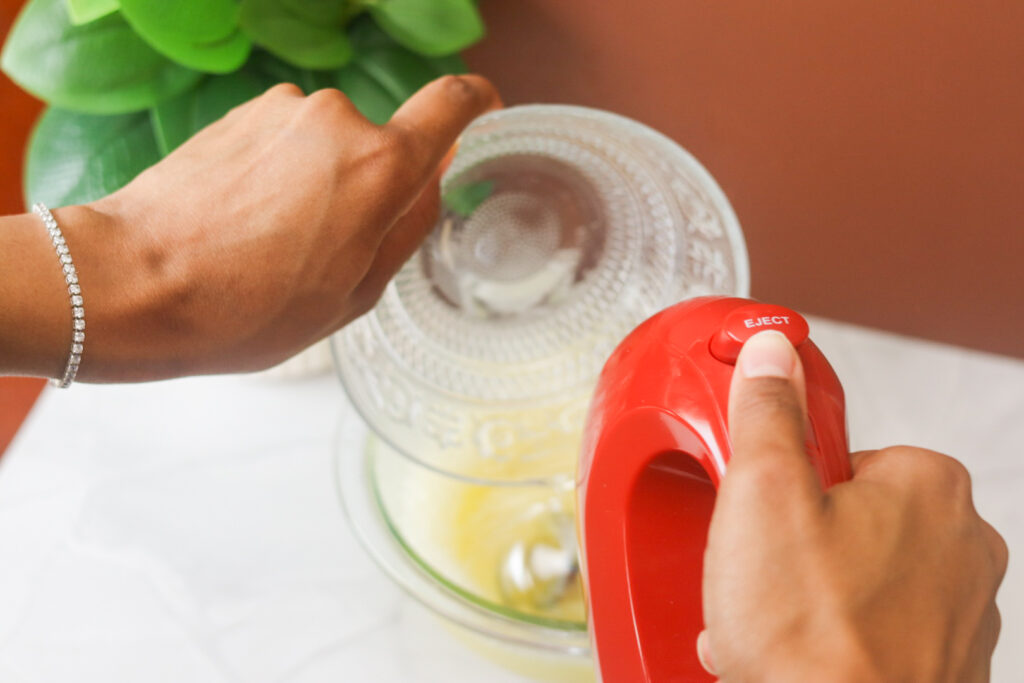
4. Blend It All Together:
Slowly pour your magnesium oil into the melted butter/oil mixture while blending with a low-speed immersion blender. Blend until you get a creamy texture.
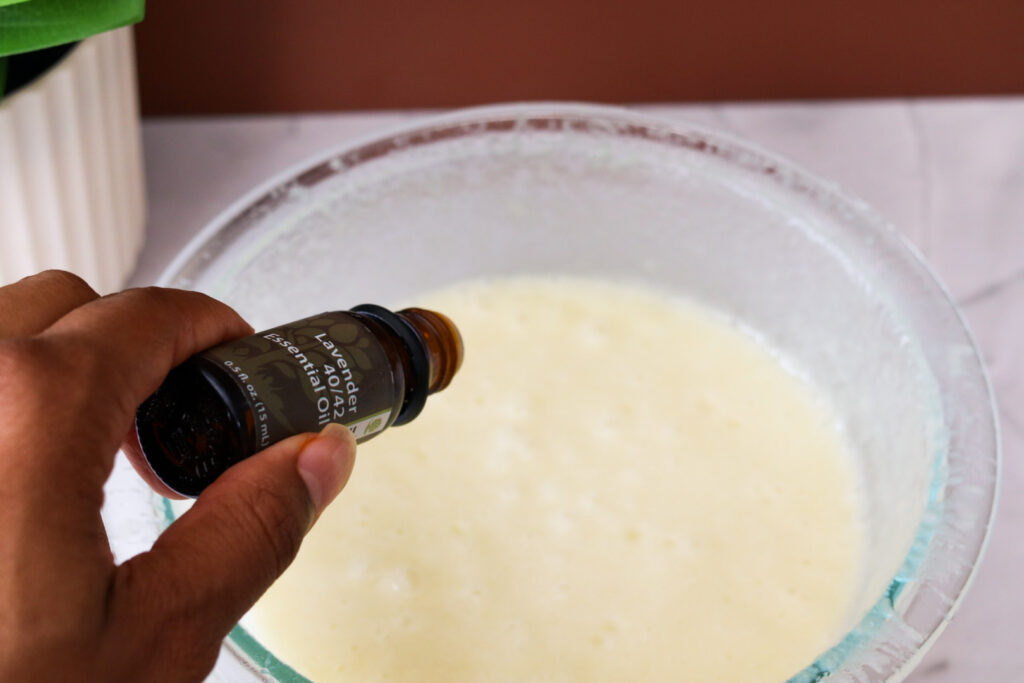
5. Add Essential Oils:
Once it’s cooled a bit more, add your lavender essential oil (or your favorite blend) and give it one last blend.
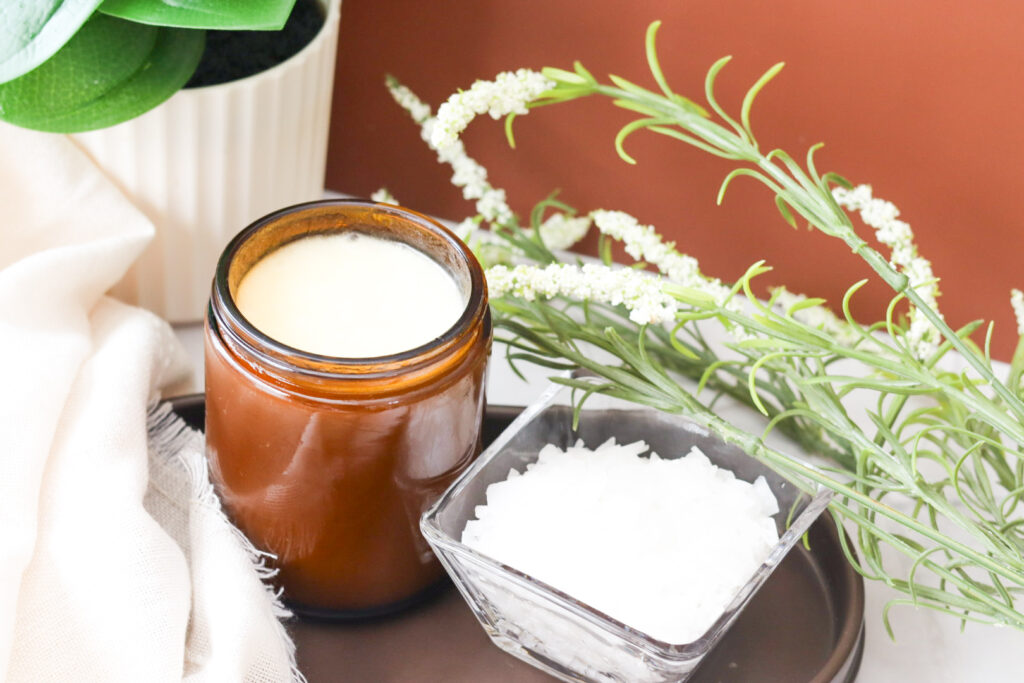
6. Pour & Store:
Pour mixture into clean glass jars or mason jars. Let it fully cool and set before using. Store at room temperature. Shelf life is about 3–6 months.
How to Use It
Just scoop out a small amount of cream of magnesium and rub it into areas where you need relief — feet, calves, shoulders, or lower back. A little goes a long way, especially if you’re applying it at bedtime to help with restful sleep or ease restless legs.
Avoid using it on open wounds or freshly shaved skin, as topical magnesium can cause a slight tingle. That’s totally normal and usually fades quickly.
Helpful Tips
- If you prefer a lighter feel during the warmer months, you can reduce the amount of cocoa butter or skip it altogether.
- Want to boost absorption? Apply right after a warm bath or magnesium bath when pores are open.
- Add a few drops of vitamin D oil for extra skin and bone support.
- Keep a mini jar in your bag — it’s amazing for on-the-go cramps or tension headaches rubbed into the neck.
Other Ways to Get More Magnesium
While this cream is wonderful, don’t forget that magnesium-rich foods like leafy greens, almonds, and dark chocolate are great for daily support. And a magnesium bath with Epsom salts? Pure bliss after a long day. Just remember that topical magnesium avoids the risks of excess supplementation through the digestive tract, which makes it a great option for sensitive systems.
FAQ: All About Homemade Cream of Magnesium
Can I use cream of magnesium every day?
Yes! Daily use is totally safe for most people, especially when applied in small amounts to areas like feet, calves, or shoulders. It’s one of the best ways to maintain steady magnesium levels without the digestive side effects of oral supplements.
What’s the difference between cream of magnesium and magnesium oil spray?
Magnesium oil spray is great when you want fast absorption, but it can sometimes feel sticky. Cream of Magnesium combines that same mineral power with carrier oils and butters like shea and coconut oil, giving you a soothing, moisturizing experience that feels amazing on dry skin.
Can I use this cream on my feet or underarms?
Absolutely! It’s perfect for feet, especially before bed to help with restful sleep. For targeted foot care, try my magnesium spray for feet — it’s cooling, quick-drying, and ideal for tired feet. And if you’re looking for a natural underarm option, check out my magnesium deodorant spray — a refreshing, non-toxic alternative to conventional deodorants.
How much magnesium is in each batch?
It depends on how strong your magnesium oil is. If you use ½ cup of homemade oil (from flakes), you’re getting roughly 15,000 mg of magnesium chloride in the whole batch — but keep in mind, only a small amount is absorbed topically per use.
How should I store cream of magnesium?
Keep it in a glass jar at room temperature and out of direct sunlight. It’ll stay good for 3 to 6 months. In warmer weather, you can refrigerate it for a firmer texture and longer shelf life.
Cream of Magnesium Made at Home – Quick & Easy Recipe
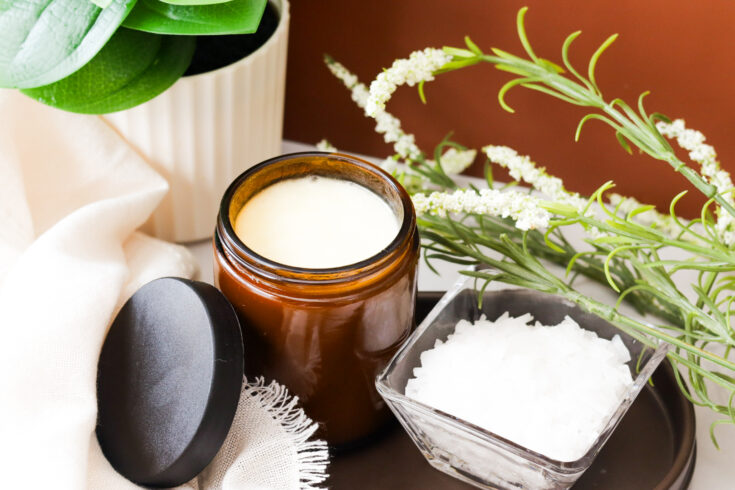
I’ve been using this for a long time now, and I always say it’s one of the easiest ways to boost your magnesium intake naturally. If you're tired of oral magnesium supplements and their not-so-fun laxative effect, this topical magnesium recipe is your new best friend. Ready to make your own magnesium body butter at home? I’ve got you covered with a simple, nourishing recipe that comes together in no time.
Ingredients
- ½ cup magnesium oil (or make your own with ½ cup magnesium flakes + ½ cup hot water)
- ¼ cup organic shea butter
- ¼ cup organic cocoa butter (optional for a firmer butter)
- 2 tbsp coconut oil
- 2 tbsp olive oil (or another carrier oil like sweet almond or jojoba)
- 1 tbsp emulsifying wax (for smooth blending)
- 10 drops essential oils (lavender is great for relaxation)
- Immersion blender or hand mixer
- Glass bowl, small bowl, and a mason jar or glass jars for storing
Instructions
- Make Your Magnesium Oil (if needed):In a small bowl, combine ½ cup magnesium flakes with ½ cup hot water (not boiling) and stir until dissolved. Let cool to room temperature. This is your magnesium mixture.
- Melt the Butters & Oils:In a glass bowl or double boiler, combine your shea butter, cocoa butter, coconut oil, olive oil, and emulsifying wax. Use low to medium heat and stir gently until fully melted.
- Cool It Down:Remove from heat and let it sit for 5–10 minutes until it starts to thicken slightly but is still warm (not hot).
- Blend It All Together:Slowly pour your magnesium oil into the melted butter/oil mixture while blending with a low-speed immersion blender. Blend until you get a creamy texture.
- Add Essential Oils:Once it’s cooled a bit more, add your lavender essential oil (or your favorite blend) and give it one last blend.
- Pour & Store:Pour mixture into clean glass jars or mason jars. Let it fully cool and set before using. Store at room temperature. Shelf life is about 3–6 months.
Final Thoughts
Making your own cream of magnesium is not only fun and cost-effective, it’s also one of the best ways to care for your body naturally. No hidden ingredients, no harsh preservatives — just real, skin-loving goodness with big benefits. Whether you’re trying to sleep better, ease muscle cramps, or simply hydrate your dry skin, this DIY cream really delivers.
If you decide to give it a try, let me know how it goes! And if you grab any ingredients through my affiliate links, I may earn a small commission — at no extra cost to you — which helps me keep sharing these diy recipes with you.
Shop This Post:
- Magnesium oil
- Organic shea butter
- Organic cocoa butter (optional for a firmer butter)
- Coconut oil
- Olive oil (or another carrier oil like sweet almond or jojoba)
- Emulsifying wax
- Lavendar Essential oil
- Immersion blender or hand mixer
- Glass bowl, small bowl, and a mason jar or glass jars for storing


