
Easy Bug Repellent Cream – A Cozy DIY for Natural Protection
When the warmer months roll in, so do the uninvited guests—mosquito bites, black flies, and common tick types. And if you’re like me, someone who prefers natural products and gentle care for the whole family, the idea of slathering everyone in some mystery repellent chemical straight out of a can isn’t exactly appealing. But with this DIY bug repellent cream, you get protection from those unwanted bugs without the harsh ingredients.

That’s where this homemade Bug Repellent Cream comes in. It’s gentle on sensitive skin, made with essential oils known for their highly effective herbs and natural bug-repelling properties, and has a pleasant fragrance that won’t leave you smelling like an insect collector’s toolkit. Plus, it’s something you can feel good about rubbing on your kiddos, your partner, or your own whole body before a hike, bonfire, or those dreamy outdoor weddings that tend to come with a side of buzzing pests.
Let’s talk about how it works, and I’ll show you exactly how to make it.
Why Bug Repellent Cream?
There’s something so comforting about reaching for a product you made yourself, especially when it smells good, feels good, and works. With all the bug sprays on store shelves, it’s easy to assume that commercial options are best—but that’s not always true, especially when you’re trying to create a clean, gentle lifestyle. A bug repellent cream is more than just a way to keep the bugs at bay—it’s part of your family’s skin care and wellness routine.
Think of all the ways you use lotion—after a shower, before going outside, or just to give your skin a little love. This cream fits right into that rhythm of life. And if you’re someone who likes skipping the aerosol sprays and overly strong repellent lotions, this option is just what your summer basket has been missing.
Plus, a cream can be richer and more nourishing than a spray. While most pump sprays dry quickly (and often leave you wondering if you missed a spot), a cream allows for a thorough, even application that’s more like rubbing in a body butter. It sticks to your skin longer, which means more consistent personal protection, especially around ankles, elbows, and necks—those tricky spots that bugs love most.
More Than Just a Bug Repellent Cream
It also solves a problem I didn’t even realize I had: how to moisturize and protect my skin at the same time during bug season. My legs get dry from sun, chlorine, and long walks. This 2-in-1 bug repellent cream helps keep my skin smooth and hydrated, all while warding off annoying insects like black flies and mosquitoes. No more itchy legs or dry patches—just soft skin and zero bug bites.
If you’re also looking to keep your outdoor space bug-free, this Mosquito Spray for Yard recipe is a great companion to your personal protection routine.
Lastly, let’s not overlook the pleasant fragrance. Commercial repellents can have a heavy chemical smell that lingers on your clothes and skin long after the sun sets. With this cream, the blend of citronella, lemongrass, and tea tree gives a fresh, clean scent that’s as nice for you as it is off-putting to bugs. That makes this bug repellent cream perfect for social settings too—picnics, BBQs, weddings, and more. No one wants to hug someone who smells like a DEET bomb. But with this cream? Hugs are still welcome.
The Creamy, Easy-to-Make Bug Repellent Cream Recipe
This bug repellent cream is moisturizing, smells amazing, and helps protect against mosquito-borne disease, tick defense, and even those aggressive summer black flies. The active ingredients are plant-based oils that bugs hate, but your skin will love. I also use these same oils in my Citronella Bug Candles—a fun DIY that adds ambiance to summer evenings while keeping pests away.

Ingredients:
Instructions:
1. In a double boiler (or a glass bowl over a pot of simmering water), melt the shea butter, beeswax, and olive oil (or coconut oil) together.
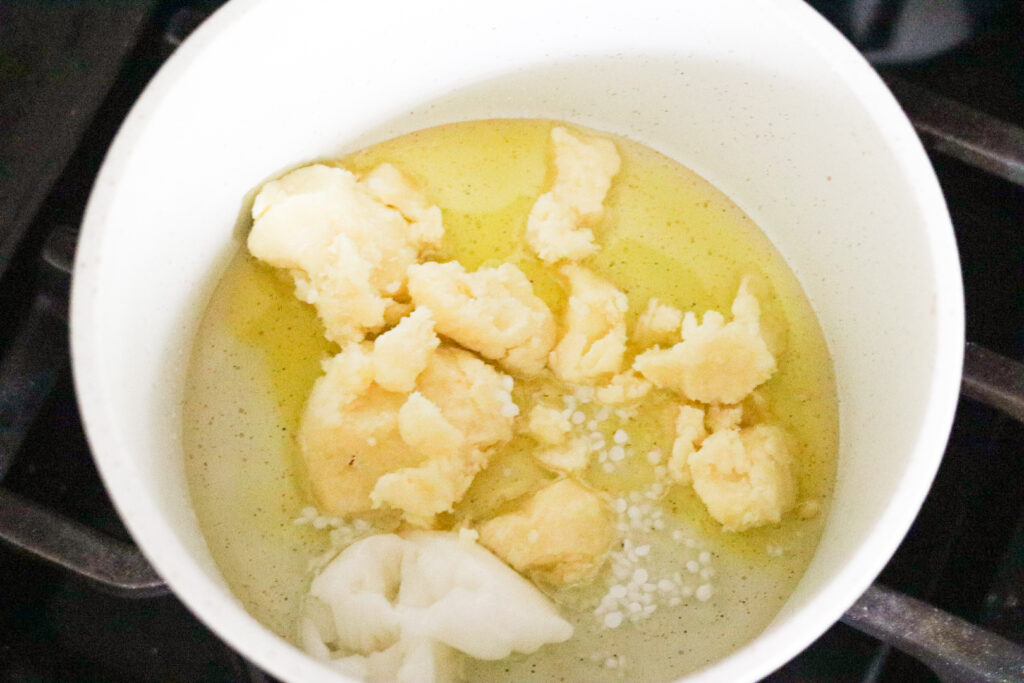
2. Once melted, remove from heat and let cool for about 5 minutes.

3. Stir in the vitamin E and all essential oils.

4. Pour into a jar or tin and let it set at room temperature.

5. Store in a cool spot, away from direct sunlight.

This blend offers both moisture and personal protection, which makes it feel more like a luxury lotion than a typical sticky bug spray.
Why These Ingredients?
- Citronella and Lemongrass Oil: Both are widely used in repellent formulations and known for repelling aedes aegypti (the mosquito species that can carry Zika and West Nile virus).
- Oil of Lemon Eucalyptus: This one’s backed by science. The Environmental Protection Agency considers it a top natural mosquito repellent.
- Tea Tree: Known for tick defense, it plays a significant role in keeping your legs bite-free in the woods.
- Vitamin E: Not just a skin-saver—it also extends the shelf life of your cream.
And the shea butter? That’s the base that holds it all together with a silky texture and gives you a touch of after-bite cream love—so if you do get nibbled, your skin won’t be dry or angry.

How to Use It
Apply a small amount of this bug repellent cream to exposed skin—arms, legs, ankles, back of the neck—before heading outdoors. It’s perfect for daily wear, especially for kids who hate the shock of cold pump sprays or the itch of sticky repellent lotions.
Since it’s made with natural oils and no water, it holds up great in your bag or diaper tote, and you can reapply as needed without worrying about side effects or too much DEET exposure.
The Science Behind Natural Bug Repellents
This isn’t just a crunchy mama trend—there’s science behind it. Studies involving human volunteers have found that certain essential oils—especially oil of lemon eucalyptus—offer a solid mean protection time against aedes aegypti mosquitoes. These mosquitoes are known for spreading Zika virus, dengue, and West Nile virus.
Even though natural options may not last quite as long as the industrial-strength deet creams, their effects are still impressive when reapplied as needed—especially when combined with vitamin E and carrier oils that help the ingredients stay on the skin.
In fact, some natural products are now recognized by the Environmental Protection Agency as valid topical repellents when labeled and used correctly. And if a sneaky bug still manages to land a bite, this Natural Bug Bite Itch Relief is my go-to for calming the itch quickly and naturally.
Why Not Just Use DEET?
Listen, I’m not here to bash DEET. For places with serious mosquito issues, like parts of Uttar Pradesh or dense woods in the United States, different concentrations of DEET may be necessary for travelers, sportsmen formula users, or those needing the mean protection time of 8+ hours.
But for everyday life—watering the garden, walking to the park, or even sitting by a campfire—you don’t need a Spectrum Brands level of coverage. A good repellent made from natural products is enough for most scenarios, and it gives you that sweet peace of mind knowing you’re not layering on chemicals every day.

Ideal For…
- New moms looking for a natural 2-in-1 bug repellent and moisturizer
- Kiddos with sensitive skin who react to repellent chemical sprays
- Pregnant mamas who want something without synthetic active ingredients
- Families heading to the lake or the mountains
- Brides planning outdoor weddings and want a discreet, pleasant fragrance that still repels bugs
When and Where to Use This Cream
One of my favorite things about this bug repellent cream is how versatile it is. We use it for:
- Backyard bonfires
- Early morning walks in damp grassy areas
- Camping trips
- Lake weekends with the kids
- Garden chores during peak bug hours
- Events like weddings and parties where you don’t want to reek of chemical bug spray
Because it doubles as a moisturizer, it’s perfect for those times you want to protect exposed skin without using something heavy or overly clinical.
It also comes in handy when you’re in places like Uttar Pradesh, rural hiking areas, or humid environments where bugs thrive and you want a bug repellent formulation that won’t clog pores or cause irritation.
Making a Travel-Ready Version
I like to pour this cream into small tins or balm tubes and keep one in my diaper bag, car, and purse. They’re TSA-friendly, don’t spill like liquid pump spray, and can be discreetly reapplied on the go.
If you’re making this for others (hello, baby shower gifts or summer favors), dress it up in a cute amber jar with a kraft paper label, and boom—thoughtful, handmade 2-in-1 bug repellent and skin balm. If you’re someone who prefers a spray over a cream, my Bug Repellent Spray version is lightweight, refreshing, and perfect for throwing in your bag.
More Natural Bug Repellent Remedies
If you’re loving the idea of a homemade bug repellent cream, you’ll definitely want to explore these other natural solutions to keep your home, yard, and family bite-free all season long:
- Mosquito Spray for Yard – Natural Outdoor Bug Control
Keep your backyard peaceful with this easy DIY yard spray made from safe, effective ingredients—no harsh chemicals required. - Citronella Bug Candles – DIY Natural Outdoor Candle Recipe
Set the mood and repel pests at the same time with these homemade citronella candles, perfect for porches, patios, and outdoor gatherings. - Natural Bug Bite Itch Relief – Soothe Skin Fast
Already got bitten? This simple remedy calms itching, reduces swelling, and supports healing without store-bought creams. - Bug Repellent Spray – Light & Effective DIY
Prefer a quick spritz over a cream? Try this bug spray version—lightweight, non-greasy, and packed with powerful essential oils.
Each of these posts complements your bug repellent cream beautifully and creates a complete natural bug defense system for both indoors and outdoors.
FAQ: Bug Repellent Cream
Q: Is this bug repellent cream safe for children?
A: Yes! The ingredients used—like olive oil, vitamin E, and gentle essential oils—are safe for most kids. For babies under 6 months, check with your pediatrician or skip essential oils entirely.
Q: How often should I reapply this cream?
A: For best results, reapply every 2–3 hours when outdoors, or immediately after swimming or sweating. Natural repellent formulations don’t last as long as sportsmen max formulas, so layering is key for full personal protection.
Q: Will this keep ticks away?
A: This recipe includes tea tree oil and oil of lemon eucalyptus, both of which have been shown to help in tick defense and avoiding tick bites, though not guaranteed in high-risk areas.
Q: Can I use this on my face?
A: Yes, but avoid the eye area and always do a patch test first. For sensitive skin, you can dilute the essential oils even more with extra carrier oils like olive oil or coconut oil.
Q: How long does one batch last?
A: Stored properly, a single jar can last up to 3 months. Keep it sealed and out of direct sunlight to maintain freshness.
Shop This Post
These are the exact items I use and love for making bug repellent cream at home:
- Beeswax Pellets – Helps create that creamy, stay-put texture that lasts.
- Shea Butter (Raw & Unrefined) – Deeply moisturizing and forms a gentle base for the cream.
- Organic Olive Oil – A great carrier oil that blends beautifully with essential oils.
- Essential Oil Set (Citronella, Lemongrass, Tea Tree, Lemon Eucalyptus) – These are the key active ingredients that drive the bug-repelling power.
- Vitamin E Oil – Extends shelf life and supports healing after bites or sun exposure.
- Amber Glass Jars – Ideal for storing your homemade bug repellent cream safely.
Easy Bug Repellent Cream – A Cozy DIY for Natural Protection

When the warmer months roll in, so do the uninvited guests—mosquito bites, black flies, and common tick types. And if you're like me, someone who prefers natural products and gentle care for the whole family, the idea of slathering everyone in some mystery repellent chemical straight out of a can isn’t exactly appealing.
Ingredients
- ½ cup shea butter
- ¼ cup olive oil or coconut oil
- 2 tablespoons beeswax pellets
- 1 teaspoon vitamin E oil (preservative + skin healer)
- 10 drops citronella oil
- 10 drops lemongrass oil
- 8 drops tea tree essential oil
- 8 drops oil of lemon eucalyptus (nature’s answer to DEET!)
- Optional: 5 drops lavender for calming scent
Instructions
- In a double boiler (or a glass bowl over a pot of simmering water), melt the shea butter, beeswax, and olive oil together.
- Once melted, remove from heat and let cool for about 5 minutes.
- Stir in the vitamin E and all essential oils.
- Pour into a jar or tin and let it set at room temperature.
- Store in a cool spot, away from direct sunlight.
Final Thoughts
There’s something empowering about making your own bug repellent cream—knowing every ingredient, customizing it for your family, and skipping the aisle of topical repellents with hard-to-read labels.
This little jar of goodness has earned a permanent spot in my summer routine. Whether I’m pulling weeds in the garden, walking barefoot through the grass with my babies, or sitting by a fire with my hubby, I reach for this every single time. It gives me that personal protection I need, with the softness and scent I love.
Even if you’re new to natural living, starting with something like this bug repellent cream is a simple, empowering way to care for your family. You’re not just mixing oils—you’re choosing gentler ingredients, cutting back on unnecessary chemicals, and building routines that feel good and smell even better. Plus, it’s honestly kind of fun. There’s something satisfying about whipping up your own remedy in the kitchen and knowing it’s safe enough for everyone from toddlers to grandparents. Small choices like this make a significant impact, one creamy scoop at a time.
And that’s the beauty of it: you don’t have to choose between being protected and being comfortable. You can have both. With the right mix of essential oils, nourishing ingredients, and a touch of DIY love, your summer can be bite-free and chemical-free.


